
How to Set up a Beach Volleyball Court
Whether you're aiming to set up a court on the beach or your backyard here's how to transform any space into a volleyball court.
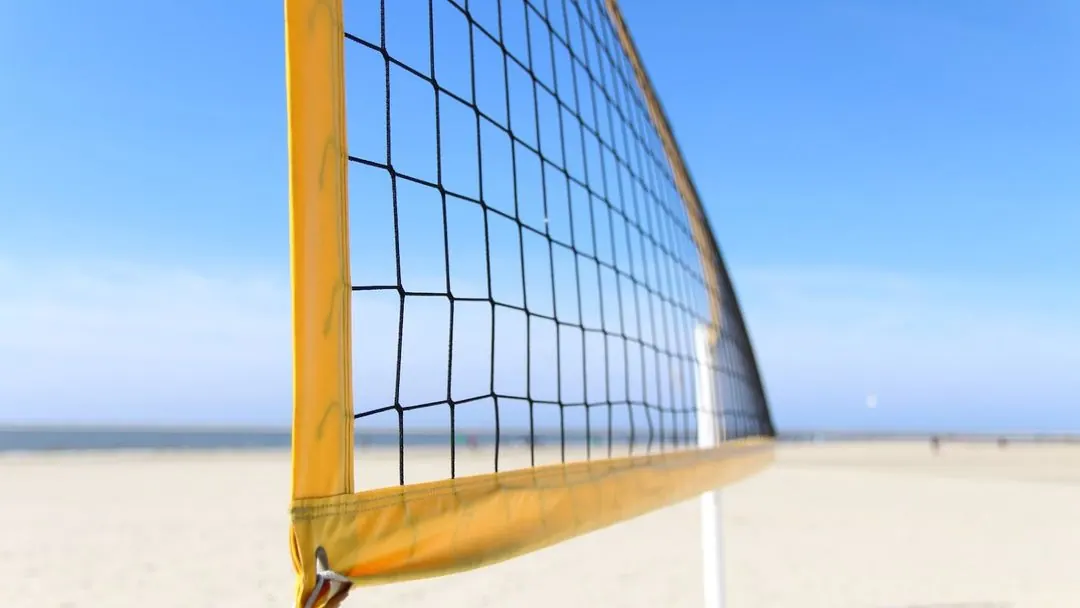
Whether you're aiming to set up a court on the beach, in your backyard, or for a school event, the process can be straightforward and enjoyable. Here's how to transform any suitable space into a volleyball court.
Step 1: Choose Your Location
The first step in setting up a volleyball court is selecting an appropriate location. If you're setting up a beach volleyball court, look for a flat, sandy area that's free of debris and sharp objects. For an indoor or grass court, you'll need a flat, open area that's at least 30 feet wide and 60 feet long. Ensure the location is clear of obstacles like trees, poles, and uneven ground to avoid injuries.
Step 2: Gather Your Materials
Before you start setting up, make sure you have all the necessary materials. Here's a checklist:
- A volleyball net: Ensure it's the standard width of 32 feet for a doubles court or adjust accordingly for team play.
- Two poles: These will support the net. They should be sturdy and at least 8 feet tall.
- A measuring tape: For accurately marking out the court dimensions.
- Boundary lines: Rope, tape, or a specialized boundary kit can be used to mark the boundaries of the court.
- A hammer or mallet (if using stakes to secure the poles or boundary lines).
- A volleyball: Because what's a court without a ball?
Step 3: Mark the Court Dimensions
A standard beach volleyball court measures 16 meters (52.5 feet) in length and 8 meters (26.2 feet) in width for doubles. For team play, the court extends 18 meters (59 feet) by 9 meters (29.5 feet). Use your measuring tape to mark the boundaries of the court. Place a stake or mark at each of the four corners.
Step 4: Set Up the Net
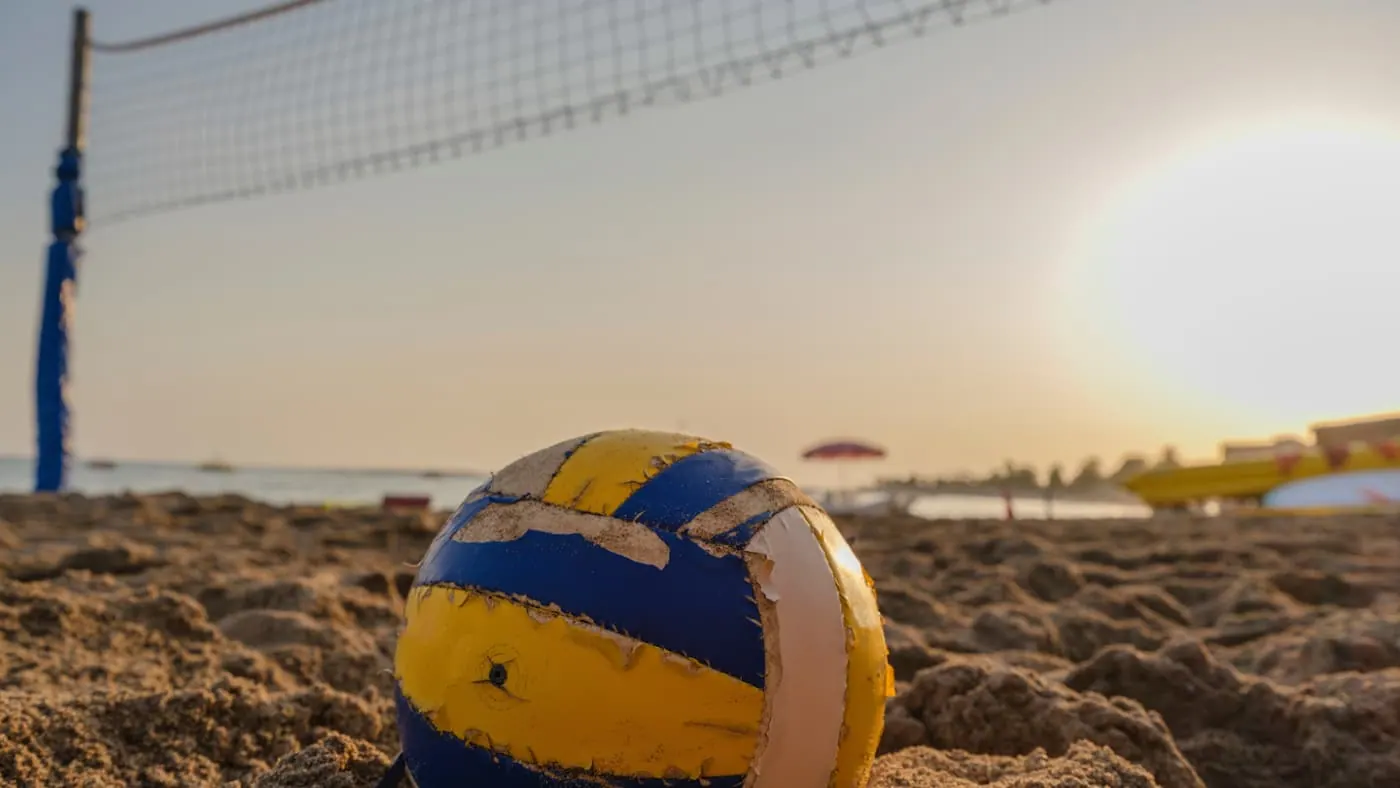
Position your poles approximately 1 meter (3 feet) outside the court on each end. The poles should be securely planted into the ground or sand. If you're using a portable system, ensure the base is stable and secure. The official height of the net should be 2.43 meters (7 feet 11 ⅝ inches) for men and 2.24 meters (7 feet 4 ¼ inches) for women. Use the measuring tape to adjust the height of the net accordingly. After adjusting, ensure the net is taut to prevent sagging.
Step 5: Mark the Court Boundaries
Once the net is up, lay down the boundary lines to mark the perimeter of the court. Ensure the lines are straight and tightly secured to the ground to avoid tripping hazards. For a more permanent setup, consider using a line painting machine or installing permanent markers.
Step 6: Safety Check
Conduct a thorough check of the court area. Ensure there are no hazards within or around the playing area. To prevent injury, the poles should be padded if possible, especially in high-level competitive play. Also, check that the net is securely fastened and won't come loose during play.
Step 7: Accessorize Your Court
Now that the basics are set up, consider adding some accessories to enhance the playing experience. A scoreboard, a referee stand, and line judges' flags can elevate the game, especially if you're organizing a tournament. For a casual setup, a cooler with refreshments, beach chairs, and a shaded area can make the day more enjoyable for players and spectators alike.
From personal experience, a speaker goes a long way when playing a good game of volleyball!

Step 8: The Fun Begins
With the court set up, it's time to gather your friends or fellow players and start the game. Whether it's a casual play, practice, or a competitive match, the joy of volleyball is now at your fingertips. Remember, the goal is not just to win but to enjoy every serve, set, spike, and save.
So there you have it! 8 simple steps are all it takes to set up a volleyball court, whether for indoor or outdoor purposes. If you’re looking for good indoor volleyball games (where you don’t have to build your court) check out some of our weekly drop in games in Toronto on the Javelin app.
Keep reading
- Skills & tips
Understanding Every Position in Volleyball
Learn about the various positions in volleyball and how they contribute to the team.
- Skills & tips
Fix Your 5 Most Common Volleyball Serving Mistakes
Learn to identify and fix the most common serving mistakes in volleyball to enhance your accuracy and power on the court.
- Skills & tips

Recreational vs Competitive Volleyball Leagues
Trying to decide between recreational and competitive volleyball leagues? Here’s a quick breakdown to help you choose