
The Importance of Visual Cues in Volleyball: Reading Opponent Movements
In this article, we'll delve deep into the significance of visual cues in volleyball and how reading opponent movements can be a gamechanger
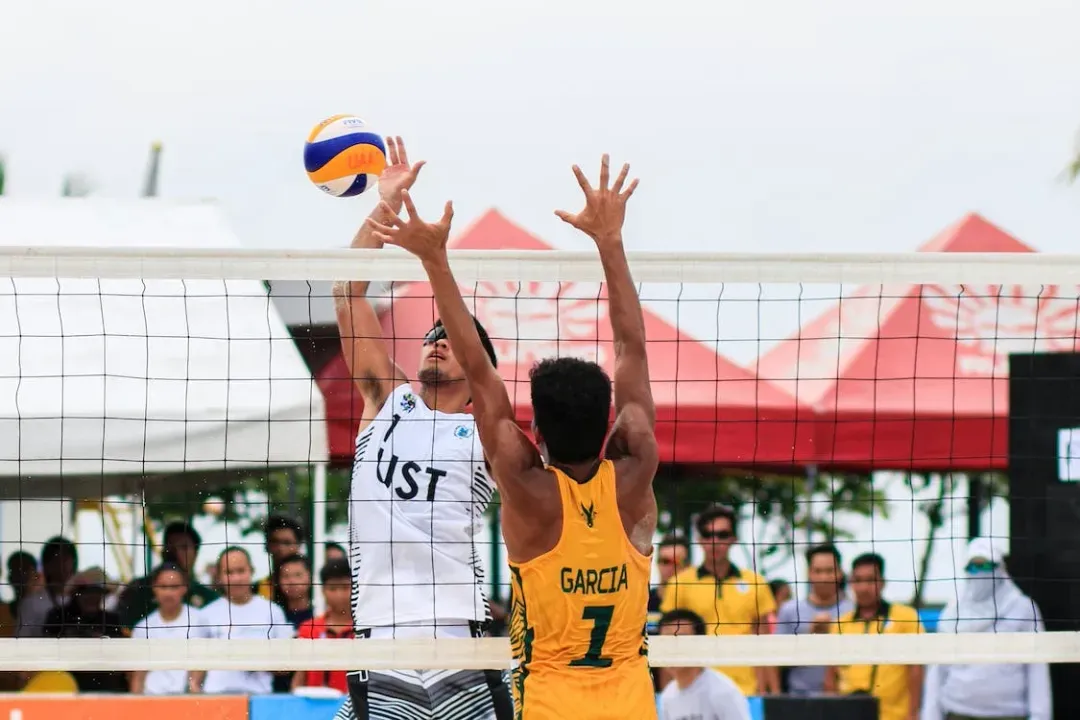
Volleyball is a sport of rapid reflexes, split-second decisions, and intense strategy. While physical prowess and technique are undeniably crucial, the mental aspect of reading the game often sets the great players apart from the good ones. One of the most vital skills in this regard is the ability to pick up on visual cues. In this article, we'll delve deep into the significance of visual cues in volleyball and how reading opponent movements can be a game-changer.
Understanding Visual Cues
Before we dive into the specifics, let's understand what visual cues are. In the context of volleyball, visual cues are the subtle (and sometimes not-so-subtle) hints or signals given by players about their next move. It could be the positioning of a setter's hands, the approach angle of a spiker, or even the stance of a blocker. These cues, when correctly interpreted, can provide invaluable insights into the opponent's strategy.
1. Predicting the Play
One of the primary benefits of reading visual cues is the ability to anticipate the opponent's next move. For instance, by observing the setter's hand position and posture, a player can often predict where the set will go. This foresight allows the defending team to position themselves better, preparing for the attack even before the ball is played.
2. Enhancing Reaction Time
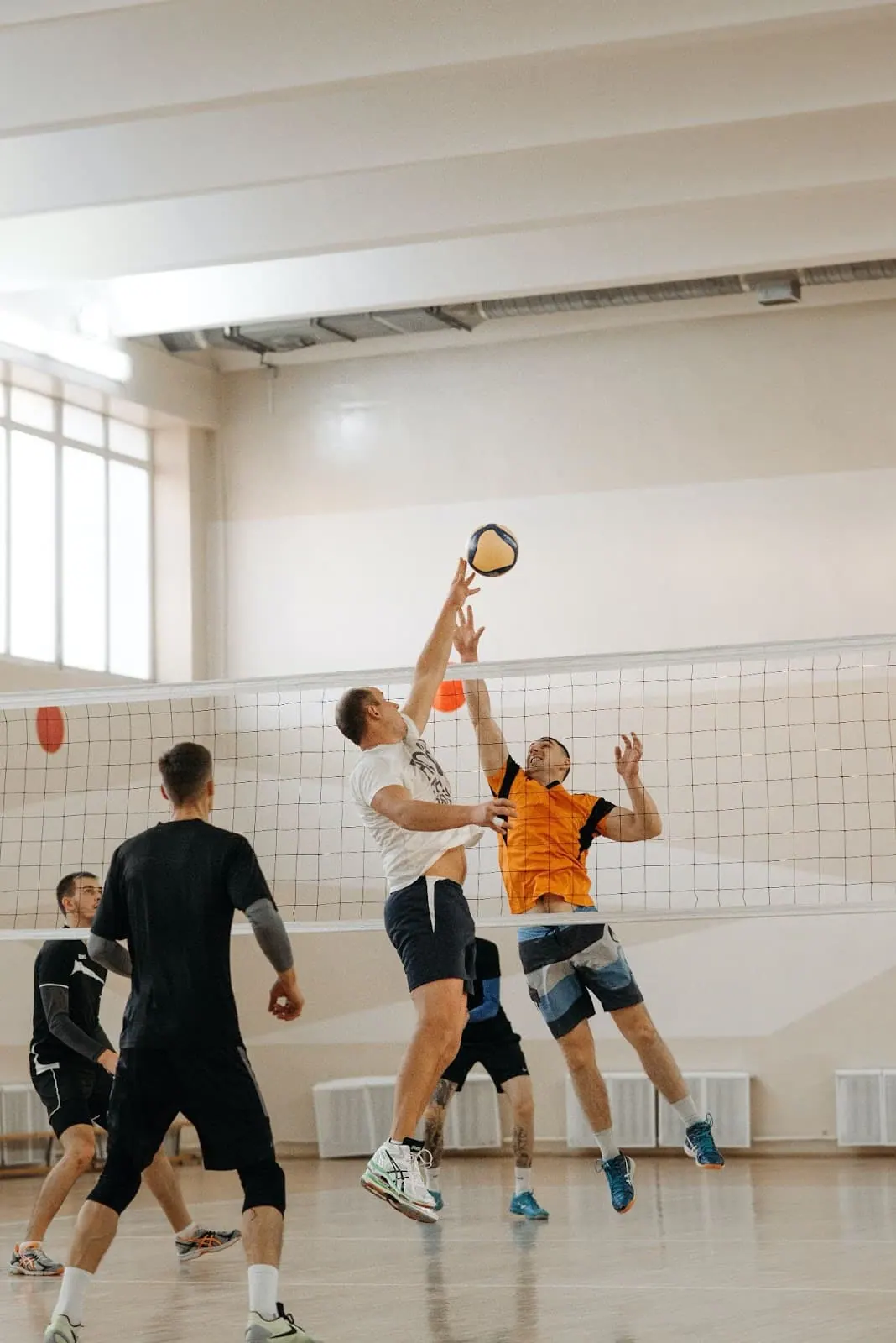
Volleyball is a game of milliseconds. The faster a player can react, the better their performance. By picking up on visual cues early, players can prepare and respond quicker to plays. Instead of reacting post the opponent's action, players can move preemptively, giving them a distinct advantage.
3. Strategic Adjustments
Reading opponent movements isn't just about individual plays; it's also about understanding the broader game strategy. For instance, if a team notices that the opponent's setter consistently sets the ball to their primary spiker when under pressure, they can adjust their defense to counter this strategy. Recognizing patterns through visual cues allows teams to make strategic shifts on the fly.
4. Reducing Errors
Misjudgments in volleyball can be costly. A player diving in the wrong direction or a blocker jumping too early can easily result in a point for the opposition. By effectively reading visual cues, players can make more informed decisions, reducing the likelihood of errors.
5. Psychological Edge
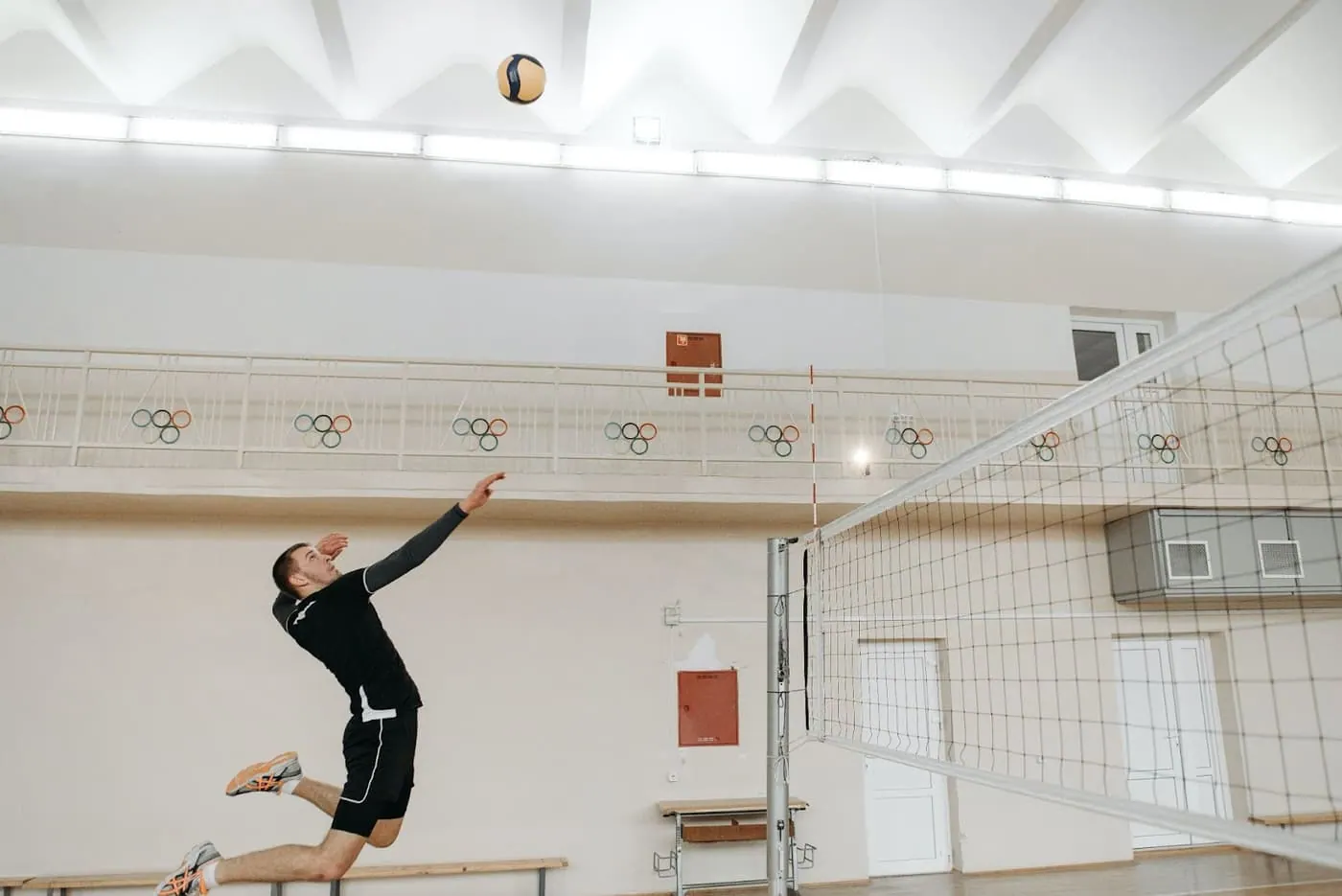
There's a psychological aspect to reading the game as well. When players consistently anticipate and counter the opponent's moves, it can be demoralizing for the opposition. This psychological edge can be a potent weapon, especially in closely contested matches.
Tips for Reading Visual Cues in Volleyball:
- Focus on Key Players: In volleyball, certain players, like setters, often dictate the play. By closely observing these key players, one can gain insights into the team's strategy.
- Understand Patterns: Teams often have patterns or set plays they rely on. Recognizing these patterns can provide clues about their next move.
- Train Your Peripheral Vision: Volleyball requires players to be aware of the entire court. Enhancing peripheral vision can help in picking up visual cues without losing sight of the ball.
- Watch and Learn: Studying professional matches can be a great way to understand the nuances of reading the game. Observing how pros interpret visual cues can provide valuable lessons.
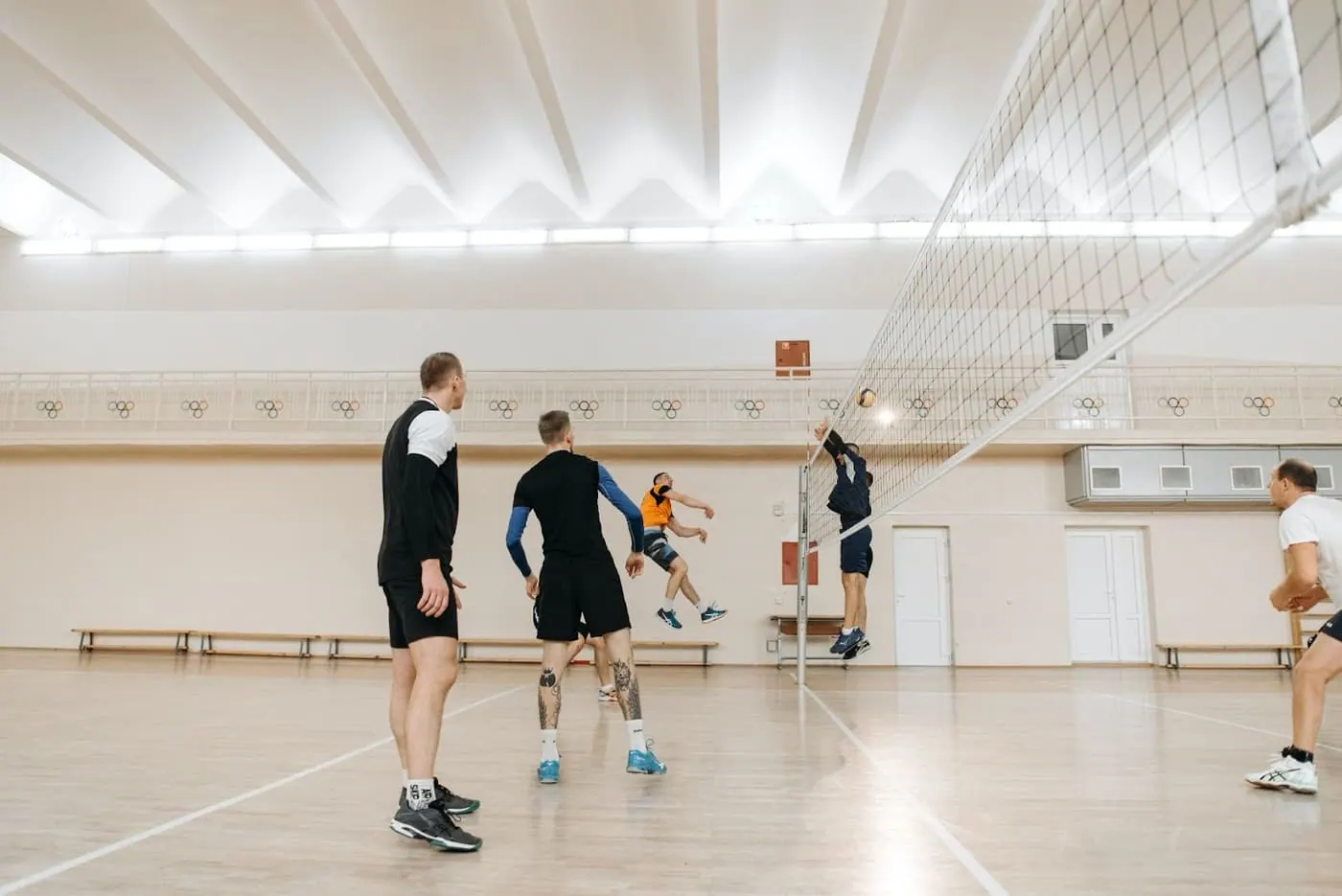
Volleyball is as much a mental game as it is a physical one. The ability to read visual cues and anticipate opponent movements is a skill that can elevate a player's game to new heights. It's the subtle dance of observation and interpretation that makes volleyball such a captivating sport. Whether you're a budding player or a seasoned pro, understanding the importance of visual cues can be your secret weapon on the court. So, the next time you're on the volleyball court, remember: keep your eyes wide open, watch, interpret, and stay one step ahead of the game!
Keep reading
- Skills & tips

Understanding Every Position in Volleyball
Learn about the various positions in volleyball and how they contribute to the team.
- Skills & tips

Fix Your 5 Most Common Volleyball Serving Mistakes
Learn to identify and fix the most common serving mistakes in volleyball to enhance your accuracy and power on the court.
- Skills & tips

Recreational vs Competitive Volleyball Leagues
Trying to decide between recreational and competitive volleyball leagues? Here’s a quick breakdown to help you choose