
Can Volleyball Cause Knee Pain?
In this blog, we'll explore how volleyball can cause knee pain, and more importantly, how to prevent and manage it.
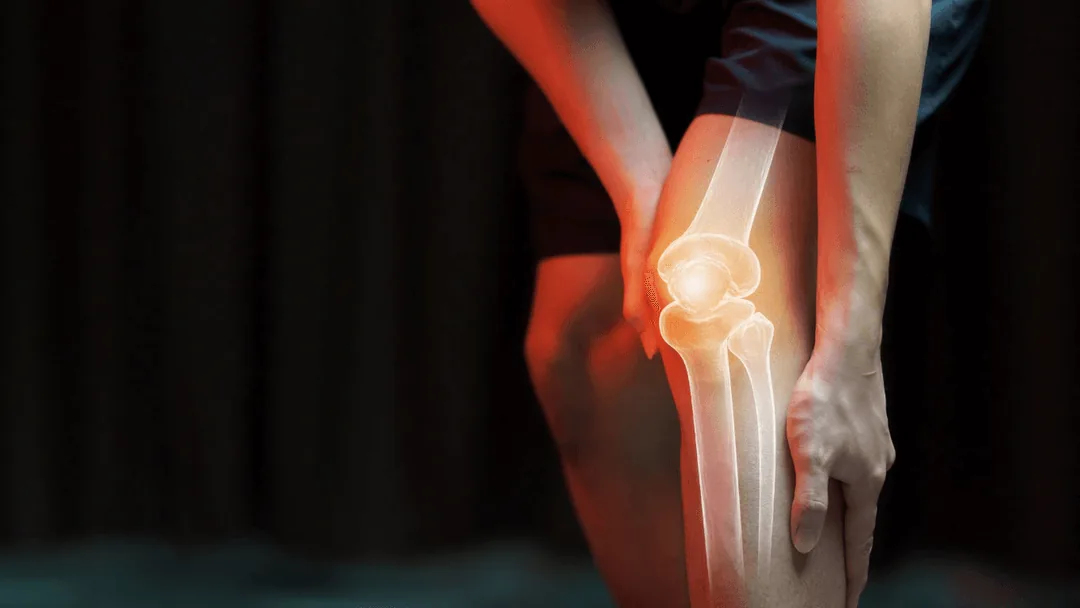
Volleyball, with its dynamic movements, jumping, and quick directional changes, is a sport that offers a full-body workout. However, this intensity also brings a risk of injuries, particularly to the knees. In this blog, we'll explore how volleyball can cause knee pain, and more importantly, how to prevent and manage it.
Understanding the Cause
Knee pain in volleyball players often stems from the high-impact nature of the sport. Activities like jumping and landing, especially when done repetitively, put significant stress on the knee joints. The abrupt starts and stops, along with quick directional changes, can also strain the knee ligaments and tendons.
Common Knee Injuries in Volleyball
- Patellar Tendinitis (Jumper's Knee): This is an overuse injury affecting the tendon connecting the kneecap to the shinbone.
- Meniscus Tears: Caused by twisting or turning quickly, often with the foot planted and knee bent.
- Ligament Injuries: Including ACL and MCL injuries, resulting from sudden stops and changes in direction.
For an in-depth look at common volleyball injuries, “Common Volleyball Injuries and How to Prevent Them” offers valuable insights.
Prevention Strategies
Proper Warm-Up Routines
A good warm-up routine increases blood flow to the muscles and prepares the joints for the activity. Dynamic stretches and exercises that mimic volleyball movements can be particularly effective. For effective warm-up routines, check out “4 Volleyball Warm-Up Routines to Prevent Injuries”.
Strength Training
Strengthening the muscles around the knee can help stabilize and protect the joint. Exercises focusing on the quadriceps, hamstrings, and calves are beneficial.
Technique Training
Proper technique in jumping and landing is crucial. Landing with knees bent and over the toes can help absorb the impact. Coaches and trainers can provide valuable guidance in this area.
Use of Protective Gear
Knee pads are essential in volleyball to protect the knees during dives and falls. Selecting the right gear is crucial, as highlighted in “How to Stay Injury-Free in Recreational Volleyball: Tips for Safe Play”.
Managing Knee Pain
Rest and Recovery
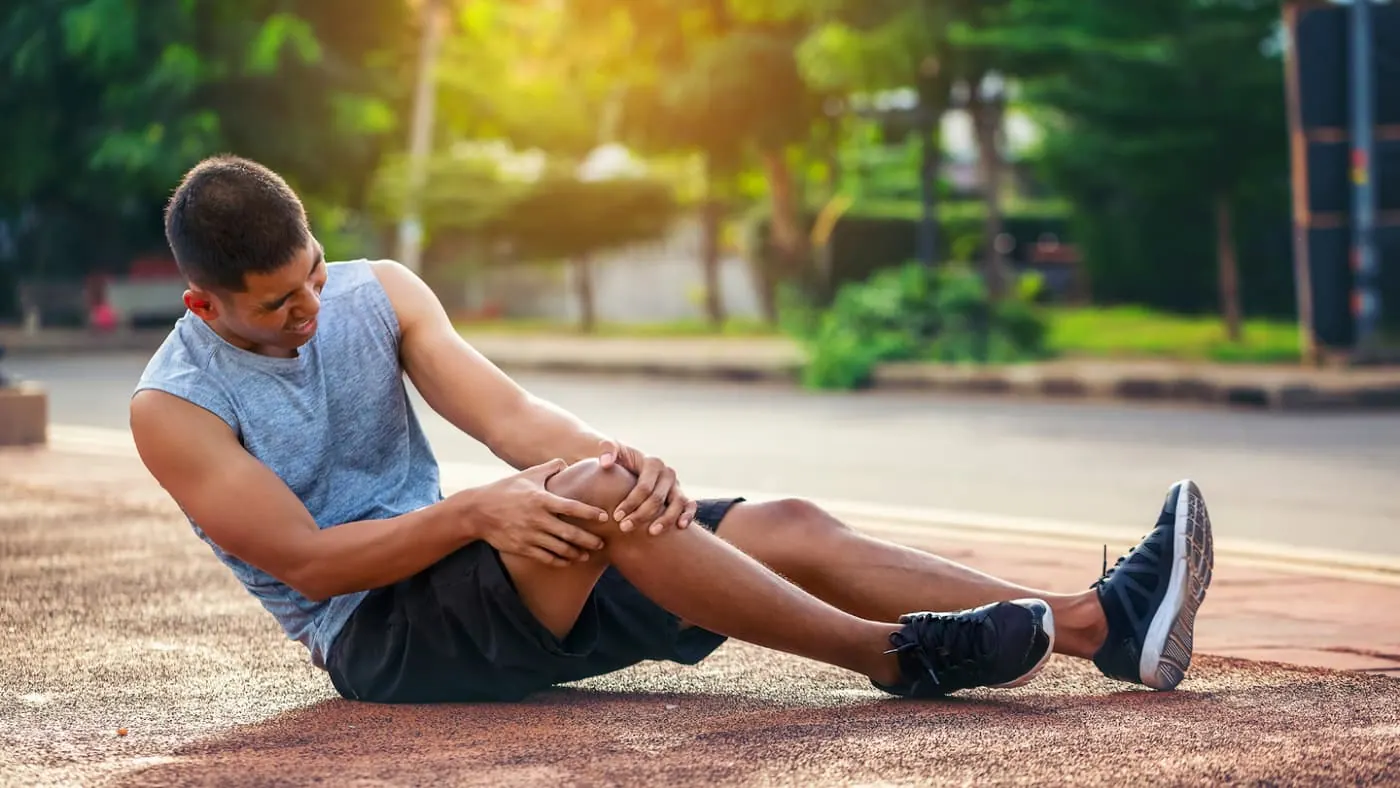
If you experience knee pain, the first step is to rest. Continuing to play can aggravate the injury. Ice, compression, and elevation can help reduce pain and swelling.
Medical Consultation
For persistent or severe knee pain, it's important to seek medical advice. A healthcare professional can diagnose the issue and recommend treatment, which might include physical therapy or, in severe cases, surgery.
Physical Therapy
Physical therapy can be effective in rehabilitating knee injuries. It often involves exercises to improve strength, flexibility, and range of motion.
For more on dealing with sports injuries, “How to Deal with Sports Injuries” is a helpful resource.

Long-Term Strategies
Regular Fitness and Flexibility Training
Maintaining overall fitness can help reduce the risk of knee injuries. Flexibility training, such as yoga or Pilates, can improve joint mobility and muscle elasticity.
Nutrition and Hydration
A balanced diet and adequate hydration are important for joint health. Nutrients like calcium and vitamin D are vital for bone strength, while proper hydration can keep the tissues around the joints supple.
Monitoring Workload
Overtraining can increase the risk of injuries. Monitoring your workload and ensuring adequate rest periods is crucial for injury prevention. “Injury Prevention Tips for Volleyball Players” provides more strategies to avoid overuse injuries.
Conclusion
Volleyball can indeed cause knee pain, primarily due to its high-impact and repetitive nature. However, with proper warm-up routines, technique training, strength conditioning, and the right protective gear, the risk of knee injuries can be significantly reduced. It's also important to listen to your body and seek medical advice when necessary. By adopting a comprehensive approach to injury prevention and management, you can enjoy the game of volleyball while keeping your knees healthy and strong.
Remember, prevention is always better than cure. So, invest time in preparing your body for the demands of volleyball, and you'll be able to play the sport you love with minimal risk to your knees.
Keep reading
- Health & fitness
High-Intensity Volleyball Drills for Improving Endurance
Volleyball is a sport that demands not just skill and strategy but also a high level of physical endurance.
- Health & fitness
How to Increase your Vertical in Volleyball
Increasing your vertical isn't just about natural ability; it involves targeted training and proper technique
- Health & fitness

How Does Sleep Impact Your Performance in Volleyball?
In volleyball, athletes often focus on training, tactics, and nutrition to enhance their performance, when really sleep is most important.