
Can Volleyball Cause Carpal Tunnel?
This blog explores the relationship between volleyball and carpal tunnel, along with strategies for prevention and management.

Volleyball is a sport known for its high energy and dynamic movements. While it primarily involves the lower body and core, the wrists and hands are also crucial for ball handling, serving, and spiking. A question that often arises is whether playing volleyball can lead to conditions like carpal tunnel syndrome. This blog explores the relationship between volleyball and carpal tunnel, along with strategies for prevention and management.
Understanding Carpal Tunnel Syndrome
Carpal tunnel syndrome is a condition caused by pressure on the median nerve as it travels through the wrist at the carpal tunnel. Symptoms include numbness, tingling, and weakness in the hand. Repetitive hand movements or wrist positions can contribute to this condition, making athletes in sports like volleyball potentially susceptible.
Volleyball and Wrist Strain
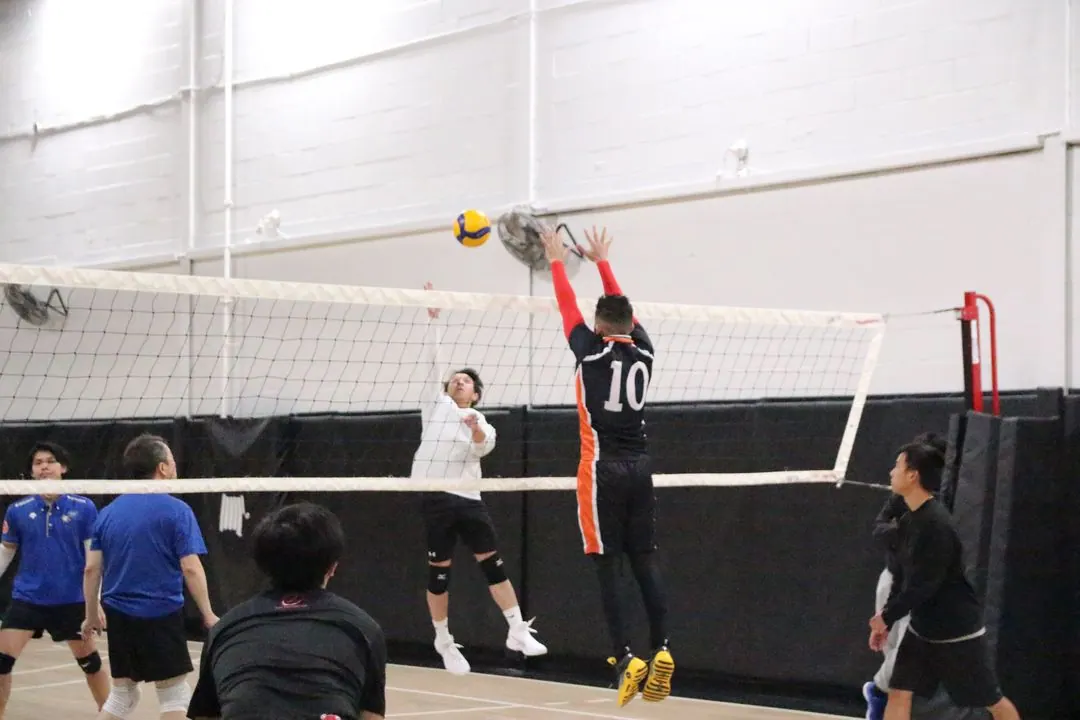
In volleyball, the repeated use of the wrists for serving, spiking, and passing can put a strain on the wrist joint and surrounding areas. This strain can potentially lead to conditions like carpal tunnel syndrome, especially if proper technique is not used or if there's inadequate rest and recovery.
Preventing Carpal Tunnel in Volleyball
Proper Technique
Using the correct technique for volleyball skills can reduce the strain on your wrists. Ensuring you use your entire arm and shoulder to generate power, rather than just your wrist, can help. Coaches and training resources are vital in learning proper form.
Warm-Up Routines
Engaging in specific warm-up routines that include wrist and hand exercises can prepare these areas for the demands of the game. Warm-ups increase blood flow and flexibility, reducing the risk of injury. “4 Volleyball Warm-Up Routines to Prevent Injuries” offers great examples.
Strength and Flexibility Training
Strengthening and stretching exercises for the wrist, hand, and forearm can help these areas withstand the demands of volleyball. Strong, flexible muscles and tendons are less likely to be injured.
For more information on Strength training and it’s benefits for volleyball players check out this article.
Adequate Rest
Rest is crucial in preventing overuse injuries like carpal tunnel syndrome. Ensure you have rest days and adequate sleep for recovery.
For more detailed injury prevention tips, check out “Injury Prevention Tips for Volleyball Players”.
Recognizing and Addressing Carpal Tunnel Symptoms
Early Recognition
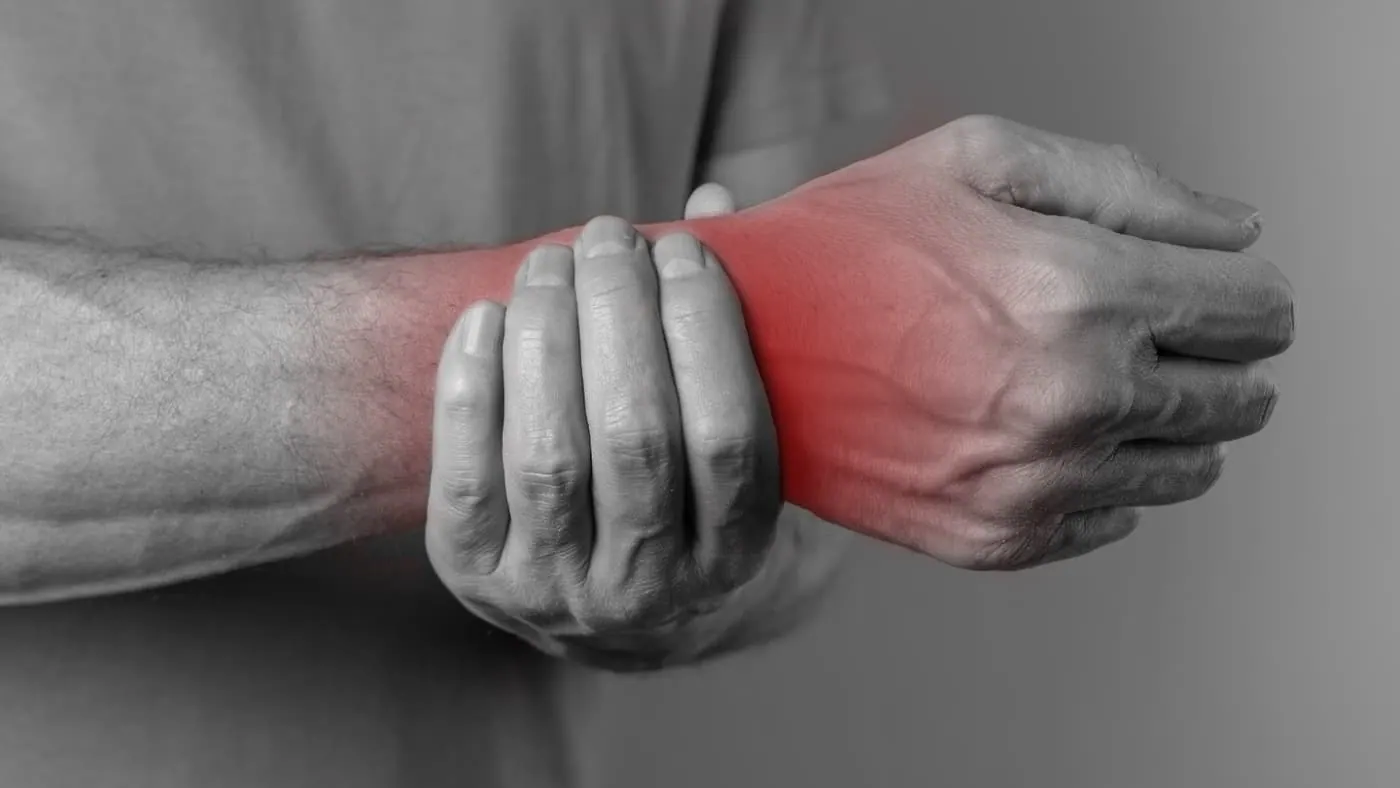
Be aware of the early symptoms of carpal tunnel syndrome – numbness, tingling, or weakness in the hand. Identifying these early can prevent the condition from worsening.
Medical Consultation
If you suspect carpal tunnel syndrome, consult a healthcare provider. Early intervention can prevent further damage and lead to better outcomes.
Managing Symptoms
Treatment for carpal tunnel syndrome may include wrist splints, anti-inflammatory medications, or in severe cases, surgery. Rehabilitation exercises and physical therapy can also be beneficial.
For information on dealing with sports injuries, “How to Deal with Sports Injuries” is a helpful resource.
Carpal Tunnel Syndrome in Recreational Players
Recreational volleyball players might be at risk if they suddenly increase their playing intensity without proper conditioning. Following a gradual approach to play, focusing on technique, and incorporating strength and flexibility training are key. “How to Stay Injury-Free in Recreational Volleyball: Tips for Safe Play” provides additional guidance.
Long-term Strategies for Volleyball Players
Regular Fitness
Maintaining overall fitness can reduce the risk of injuries like carpal tunnel. This includes cardiovascular exercises, strength training, and flexibility workouts.
Ergonomic Considerations
Outside of volleyball, pay attention to wrist and hand ergonomics, especially if you work at a computer or engage in other repetitive hand activities.
Balanced Training
Ensure your training regimen is balanced and includes exercises for all parts of the body. This helps prevent overuse injuries by not overburdening any single area.
For more on common volleyball injuries and their prevention, “Common Volleyball Injuries and How to Prevent Them” is a great resource.
Conclusion
While volleyball can potentially contribute to conditions like carpal tunnel syndrome, understanding the risk factors and implementing preventive strategies can significantly reduce the likelihood of developing this condition. Proper technique, strength and flexibility training, adequate rest, and ergonomic considerations are key to staying healthy and enjoying the game. By being proactive about your health and wellness, you can continue to enjoy volleyball while keeping your wrists and hands in top condition.
Keep reading
- Health & fitness
High-Intensity Volleyball Drills for Improving Endurance
Volleyball is a sport that demands not just skill and strategy but also a high level of physical endurance.
- Health & fitness
How to Increase your Vertical in Volleyball
Increasing your vertical isn't just about natural ability; it involves targeted training and proper technique
- Health & fitness

How Does Sleep Impact Your Performance in Volleyball?
In volleyball, athletes often focus on training, tactics, and nutrition to enhance their performance, when really sleep is most important.